Renewables a Review of Sustainable Energy Supply Options - David Elliott (2013)
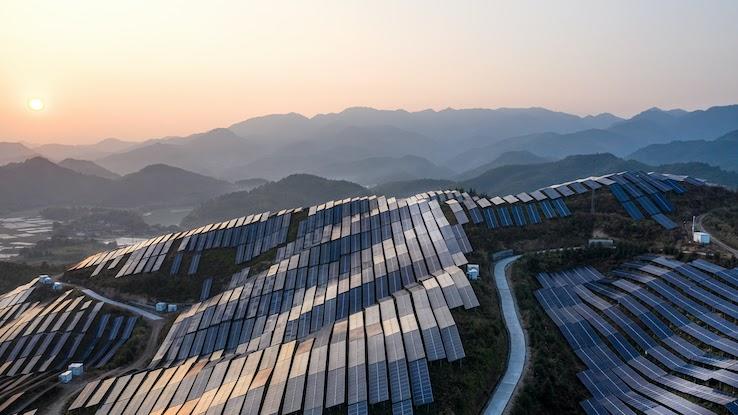
Renewable free energy is energy that comes from the globe and has the ability to replenish itself naturally. This kind of energy is sustainable, meaning it about never runs out because the sources it comes from furnish constantly. That being said, it can take some time to restore usable levels of renewable energy afterwards depleting a sure amount of it.
One of the greatest benefits of renewable energy sources is that they're much improve for the surround than nonrenewable resources like gas and coal. Most produce no greenhouse gas emissions, the primary driver of climate change. They tin can also reduce certain kinds of air and water pollution, which is better for our health and the wellness of our planet overall.
There are six major sources of renewable energy: solar, current of air, hydroelectric, geothermal, biomass and ocean (or tidal) energy. They're all inexhaustible sources of energy because they rely on conditions and other natural phenomena. Developing them throughout the world has the potential to create millions of jobs while saving the planet at the aforementioned time. In the long run, they're also much more than cost-constructive than using nonrenewable resource.
Solar Energy
Solar ability is a renewable free energy resources that comes from the lord's day. It works past capturing the sun'southward energy with solar cells on solar panels and turning information technology into electricity or heat. When solar panels gather light from the sun and turn it into energy, they store this free energy in batteries that people tin can employ to power appliances and other systems in their homes.
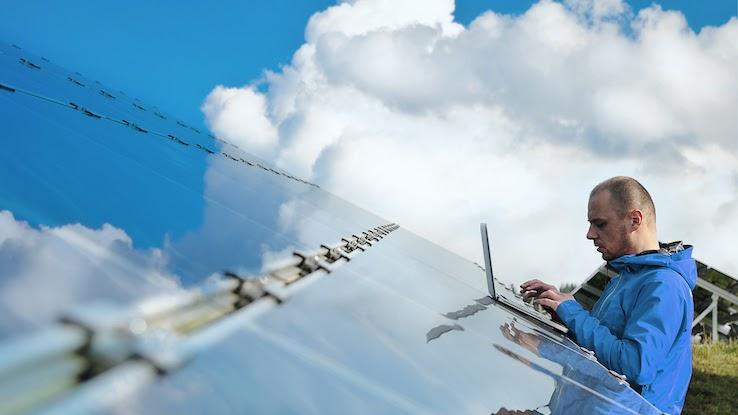
Sunlight is functionally never-ending, then there's no limit to its potential for generating energy. Solar power does not produce carbon dioxide or other air pollutants, making it very beneficial for the environment. In the long term, switching to solar energy also saves people money on their utility costs.
At that place are some limitations to solar energy, nevertheless. We have no control over the amount of sunlight that we receive or when we receive it. The sunlight a solar panel tin can receive depends on time, location, seasons and conditions. Furthermore, absorbing a useful quantity of sunlight takes a big area. Not everyone has space at dwelling or in their yards to prepare a network of solar panels that'southward large enough to produce a sufficient quantity of energy.
Current of air Energy
Thanks to the fact that the dominicus heats the earth in an uneven fashion, we have air current. Wind power is a renewable free energy source that we collect via turbines — machines that look like giant, modern windmills. Turbines can reach the same height as skyscrapers, and the diameters of their blades are near as wide as 1 of these buildings, too. The blades spin when the wind hits them, which creates electricity by feeding the free energy from the turning blades into a generator. In windy locations, wind power can price less than any other energy source.
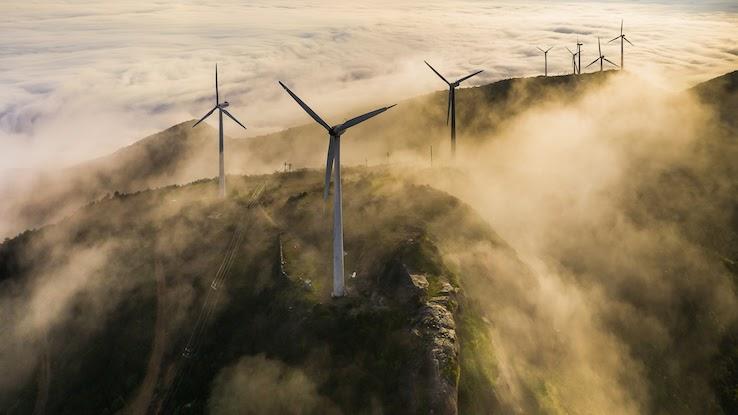
Turbines are effective anywhere current of air speeds are high. Open plains, hilltops and open up h2o are ideal locations for these machines. Producing energy with turbines doesn't generate air pollution or carbon dioxide, making it a clean source of energy. The primary disadvantages of wind energy are inconsistency (many areas don't receive abiding current of air), noise disturbances from the sounds the turbines make, the large amount of space the turbines accept upward and the fact that they can only be used in certain geographic locations.
Hydroelectric Energy
If yous've learned well-nigh hydroelectric energy (besides called hydropower), you might associate it with dams like the Hoover Dam. Hydroelectric ability is generated by moving water. In the instance of a dam, h2o runs through the structure'southward turbines to spin them, which creates energy for electricity. This is another clean free energy source considering it doesn't pollute the air.
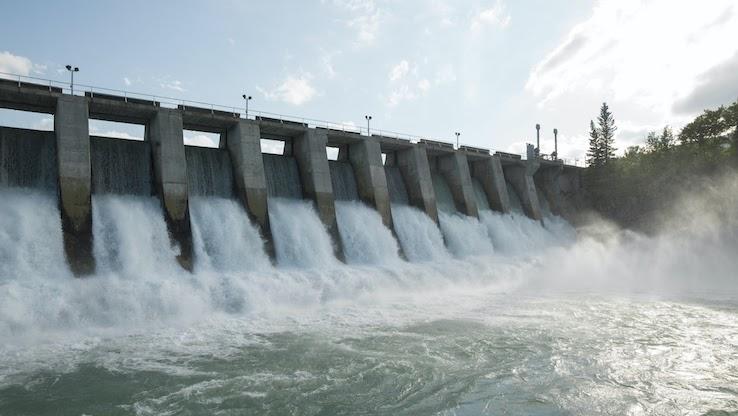
Among the meridian benefits of hydropower plants is their power to accumulate reservoirs of energy for later use. This makes it possible to utilize less-reliable renewable energy sources, such equally solar and wind ability, equally the energy from hydroelectric power plants tin be available as a backup when those others aren't.
To create a hydroelectric power plant, engineers take to dam a source of running h2o, such equally a river. This can accept negative effects on fish populations in the area, which can so affect the other animals that rely on those fish every bit a food source. Disrupting the nutrient chain can take a lot of negative outcomes. Additionally, if there is a drought, hydroelectric power plants tin become less reliable because they need large quantities of water to role properly.
Geothermal Energy
The inner core of the earth is very hot — well-nigh as hot equally the surface of the lord's day. Considering of this, oestrus continually rises upwards out of the earth'southward surface. The heat beneath the surface of the planet is called geothermal rut. The earth continuously produces this heat, which is what makes geothermal energy renewable.
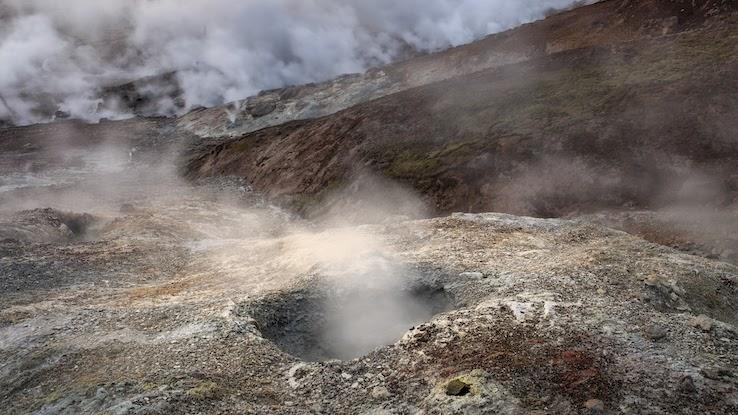
To use geothermal energy, engineers drill wells several miles downwardly into the earth, and hot water or steam rise upwardly through these wells. The steam turns a turbine, which generates electricity, and the steam cools back into water and so information technology tin can echo this process once again. The pollution created from collecting geothermal energy is minimal. Like hydropower, geothermal energy is a stable and virtually endless energy source.
The greatest disadvantage of geothermal free energy is that it can only be used in places where drilling deep into the earth is possible. In a lot of locations this isn't feasible, so engineers and companies have no access to this renewable energy resources. Geothermal power plants are often located in areas where there are lots of volcanoes, geysers or hot springs because the rut is more accessible there. Likewise, geothermal energy tin can cause earthquakes, because digging the wells to access the free energy changes the world's structure and creates cracks.
Biomass Energy
Biomass is textile that comes naturally from plants and animals. It includes trees, plants, waste product from crops, animal manure, homo sewage and organic solid waste matter like cotton, paper, nutrient, wool and wood scraps. We convert biomass into energy in diverse ways. This can include burning the materials to produce heat or using chemic, thermochemical and biological conversion to produce different kinds of fuels. Combustion, or straight burning biomass, is the virtually mutual way to plow biomass into energy. Usually, this involves burning biomass to heat water and generate steam, which and then creates electricity.
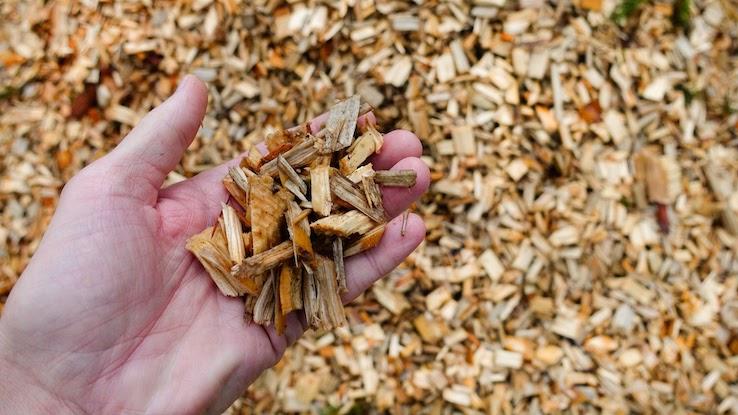
Because humans, animals and plants are ever creating waste, we'll likely never run out of biomass from which to produce energy. Plus, when nosotros use waste, it doesn't get into a landfill. Even so, there are some downsides to energy fabricated from biomass: Burning these materials releases carbon dioxide, a greenhouse gas, into the air. It also pollutes the air with carbon monoxide. What's more, when nosotros clear country to grow crops specifically for the purpose of creating biomass, a lot of energy and infinite are wasted. Cutting down trees to use for biomass is harmful to the surround, as well.
Ocean or Tidal Energy
Generating energy from the tides, waves and heat in the ocean is however a work in progress, but it tin be done finer in 2 means. The outset type is chosen sea thermal energy. This uses warm water on the surface of the sea to generate power. The 2nd is ocean mechanical free energy, which uses the force of the tides and waves to create ability. It'south a consistent grade of renewable energy that tin fill in where the less-consistent renewable energy sources fail us.
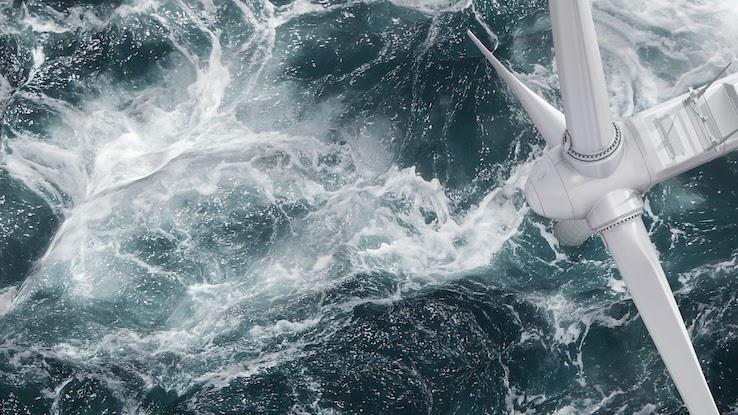
I of the nearly benign aspects of bounding main free energy is its huge potential. For case, ane mile'south worth of wave crests along a coastline creates enough energy to ability about 40,000 homes. One of the disadvantages of ocean free energy is that at that place aren't many locations around the world where people can build tidal barrages — the names of the structures that store ocean energy — to collect that free energy. Also, the patterns of the tides dictate that sea energy tin can merely provide power for around x hours each twenty-four hour period. Peculiarly intense waves might damage or destroy the tidal barrages equally well.
ashworthsiverprours.blogspot.com
Source: https://www.reference.com/science/renewable-energy-resource-types?utm_content=params%3Ao%3D740005%26ad%3DdirN%26qo%3DserpIndex
0 Response to "Renewables a Review of Sustainable Energy Supply Options - David Elliott (2013)"
Enregistrer un commentaire